Prescribing Hope
Dr. Richard Bedlack ’88 and Marvin Shaw ’83 are dedicated to finding a cure for ALS
January 28, 2026
By
Tina Eshleman
Marvin Shaw ’83 and his wife, Deborah, had just bought tickets for a trip to Italy to celebrate her 60th birthday when she started falling down repeatedly for no apparent reason. They visited a neurologist In April 2023, and the next month she was diagnosed with amyotrophic lateral sclerosis (ALS), also known as Lou Gehrig’s disease.
The news was devastating for the couple since there is no cure for ALS, a progressive neurodegenerative disease that diminishes a person’s ability to move, speak, eat and breathe. They immediately began researching medication, National Institutes of Health studies, clinical trials and experimental treatments, but found few options.
“We left no stone unturned,” says Shaw, a government major who devoted his career to financial and automotive safety, including making airbags safer and mandating antilock brakes on heavy trucks. In addition to visiting health care providers around the United States, they contacted doctors in Israel, South Korea and Italy. “Nobody had an answer.”
Through a work colleague of Deborah’s, they came in contact with Dr. Richard “Rick” Bedlack ’88, a professor at Duke University who conducts research and serves as director of the ALS Clinic he established there. He is widely known among patients and advocates for his “ALS Untangled” podcasts, videos and website reviewing alternative and off-label treatments with the goal of helping people make informed decisions. Bedlack also founded the ALS Clinical Learning Research Institute, which has trained over 800 people around the world to be better research advocates through monthly webinars.
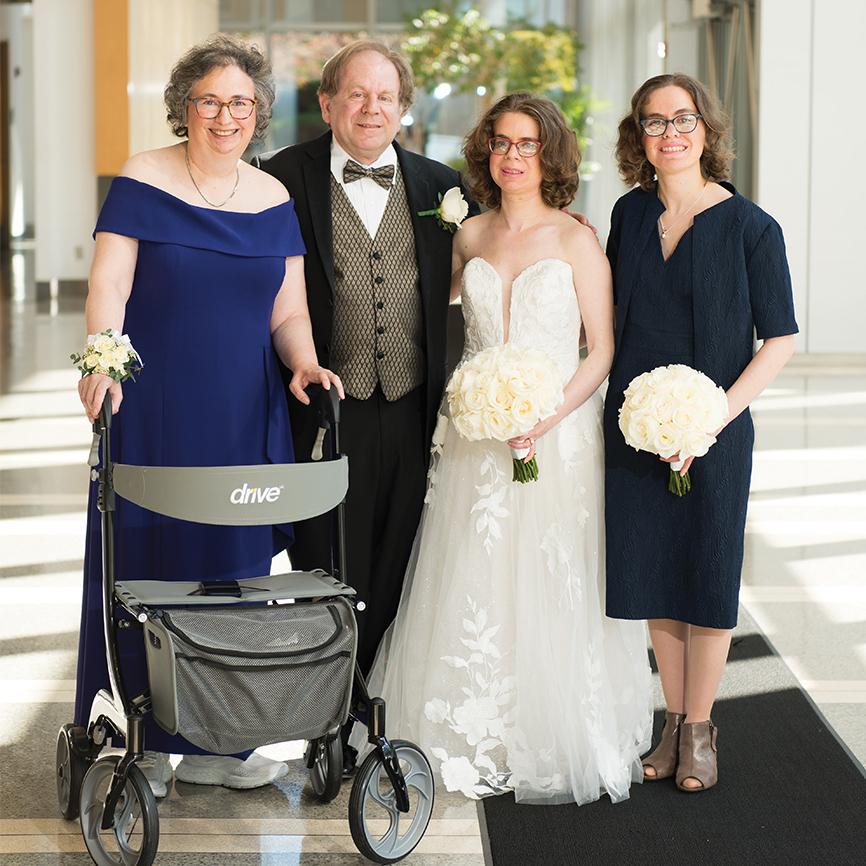
The Shaws canceled their trip to Italy, but still managed to travel to Oregon, New England and the United Kingdom during the last year of Deborah’s life. After she died from ALS in July 2024, Shaw became involved in advocating for ALS patients and their families through the organization I Am ALS. He raises funds, provides peer counseling and helps the organization navigate regulatory and legislative systems. Thanks to Shaw’s help, the organization is able to accept donations as part of the Combined Federal Campaign.
Although both he and Bedlack attended William & Mary in the 1980s, their paths had not crossed previously.
“In August 2023, I sent Rick an email,” says Shaw, who lives in Chevy Chase, Maryland. “He gave us background about various pharmaceuticals available for patients and was very supportive.” The Shaws also received support from lifelong W&M friends Cesar Conda ’83, P ’22, Mark Forde ’83 and Mary Obata Forde ’84, Kevin McGahren ’83, Ned Monroe ’83 and Becky Rogers Voslow ’83, M.A. ’89, P ’19. In addition, fellow Theta Delta Chi member Kevin Doyle ’82, president and CEO of the Hazelden Betty Ford Graduate School, helped brainstorm fundraising ideas.
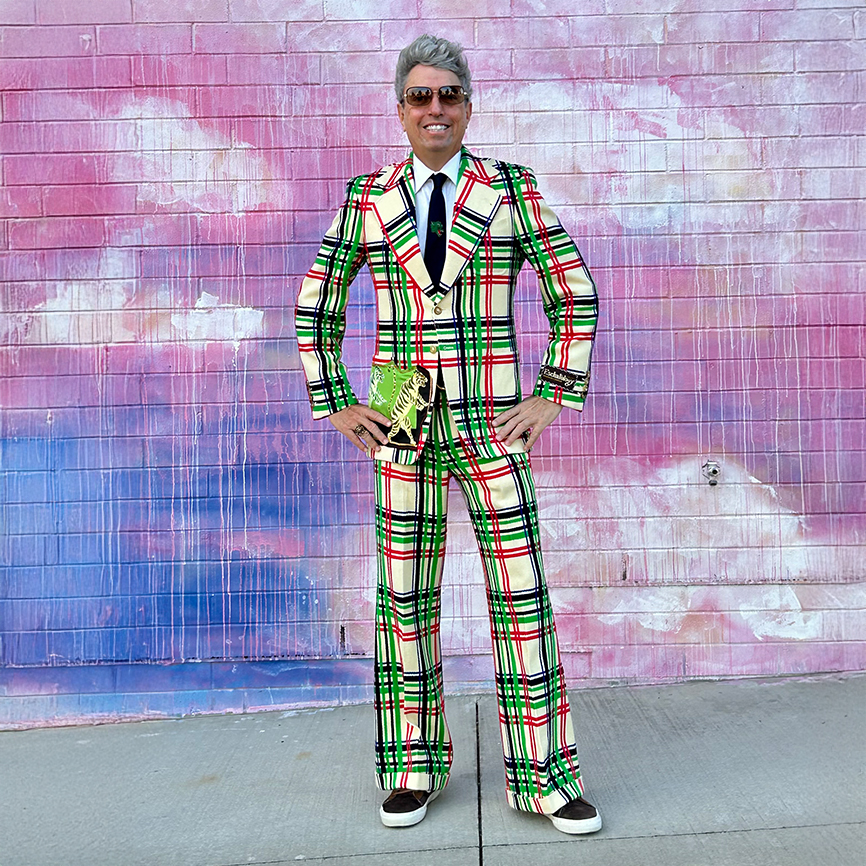
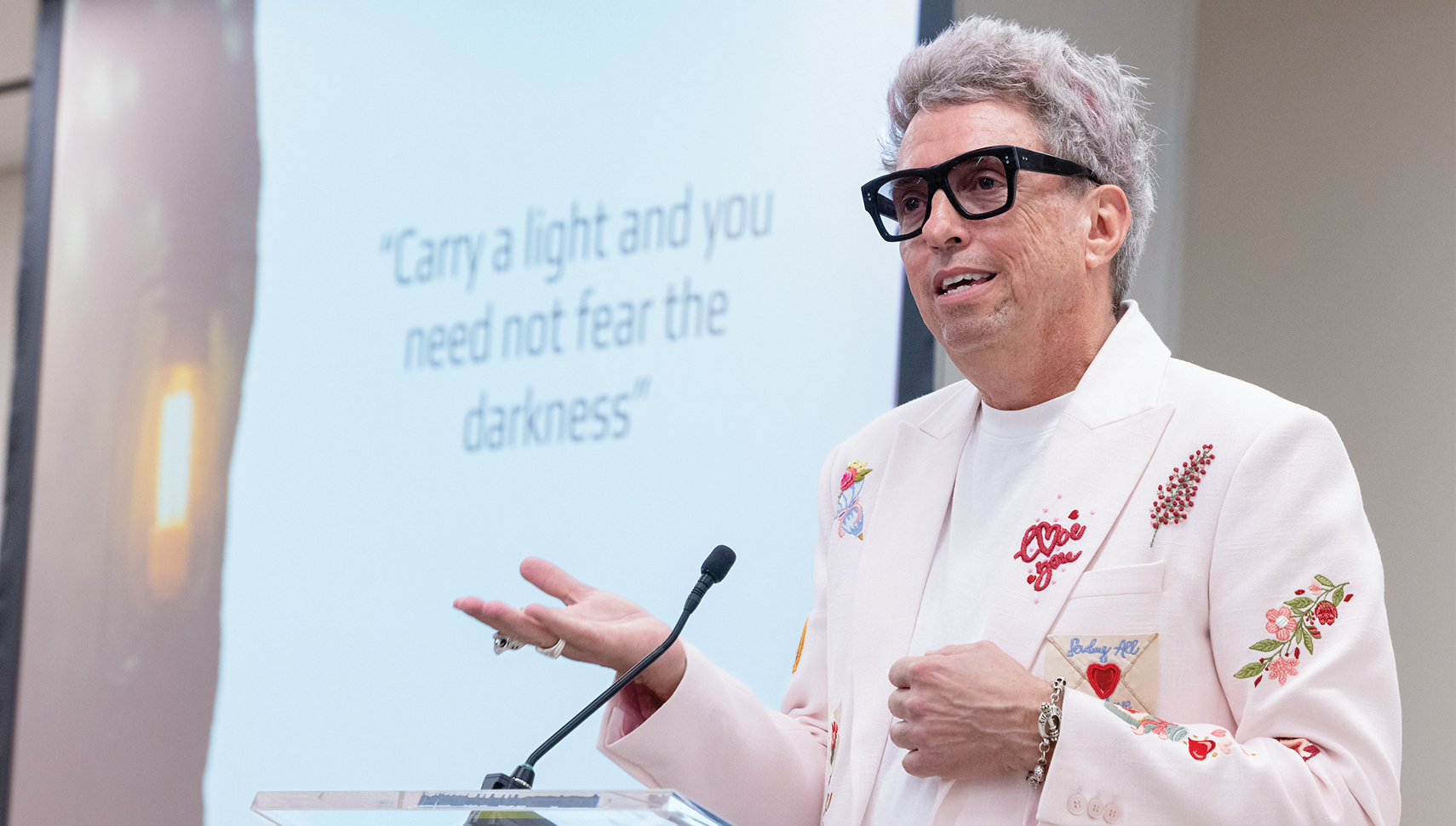
Bedlack (shown at right) stands out from other physicians with his multicolored sweater vests and suit jackets, signature rings and shock of silver hair. His intention is to bring a smile to patients’ faces with his vibrant and sometimes whimsical attire, while offering a sympathetic ear and a willingness to investigate new treatments. A short documentary film titled "Stitching Strength" that highlights Bedlack's bold fashion and optimism will be shown March 17 at the Ampersand International Arts Festival, followed by a Q&A with the man himself.
“I've always wanted to give people with this disease options and hope,” Bedlack says. “When I'm driving in to work every day, that's what I'm thinking about: What options and what hope can I provide for this group of patients who's coming to see me today?”
A psychology major while at W&M, Bedlack encountered his first ALS patient as a medical resident in neurology at Duke. “I remember the attending physician coming into the room and saying, ‘This is called ALS. We don’t know why it happens. There’s nothing we can do about it.’ I remember the look on the patient’s face.” Driving home that day, Bedlack thought, “There has to be more we can do.”
The average life expectancy for someone diagnosed with ALS is about three years, although people have survived much longer. British physicist and cosmologist Stephen Hawking, for example, lived with the disease for more than five decades.
Developing treatments for ALS is complicated by the many forms of the illness.
“There are genetic causes and nongenetic causes of ALS,” Bedlack says. “Even within the genetic category, there are 40 different genes that can be mutated. So there are potentially hundreds of subtypes of ALS.”
There have been a few breakthroughs, such as the drug tofersen, which the Food and Drug Administration approved for patients with ALS caused by a mutation in a specific gene known as SOD1.
“It's what I would call a home run,” Bedlack says. “Most people who are on this drug for more than two years are stable; their symptoms are not progressing anymore. About 20% are recovering lost motor function. That's fantastic. That’s exactly what we’ve been looking for, but only 1% of everyone with ALS has that form of the disease.”
His own research focuses on what he calls “outliers” — rare patients whose symptoms have reversed.
“I know of 62 people who met published criteria for an ALS diagnosis, and progressed in some cases to where they were totally paralyzed, and then recovered all or most of their lost motor function,” he says. “If I can understand how this is happening, I might be able to make it happen more often.”
This year, he will conduct two new clinical trials. One involves manipulating a gut microbiome to try to slow ALS by isolating an organism called Phocaeicola vulgatus in the stool of a donor whose illness is progressing slowly and transplanting it to other patients. The second trial focuses on a gene mutation that Bedlack discovered was present among a third of the patients whose symptoms had reversed. The gene controls how much a person has of something called insulin-like growth factor binding protein 7 (IGFBP7).
“My theory is that some people have a lot less of this protein, and that actually sets them up to be able to recover from ALS,” he says. “I'm working on a trial to try to knock that protein down as much as I can to see if it will help anyone else recover.”
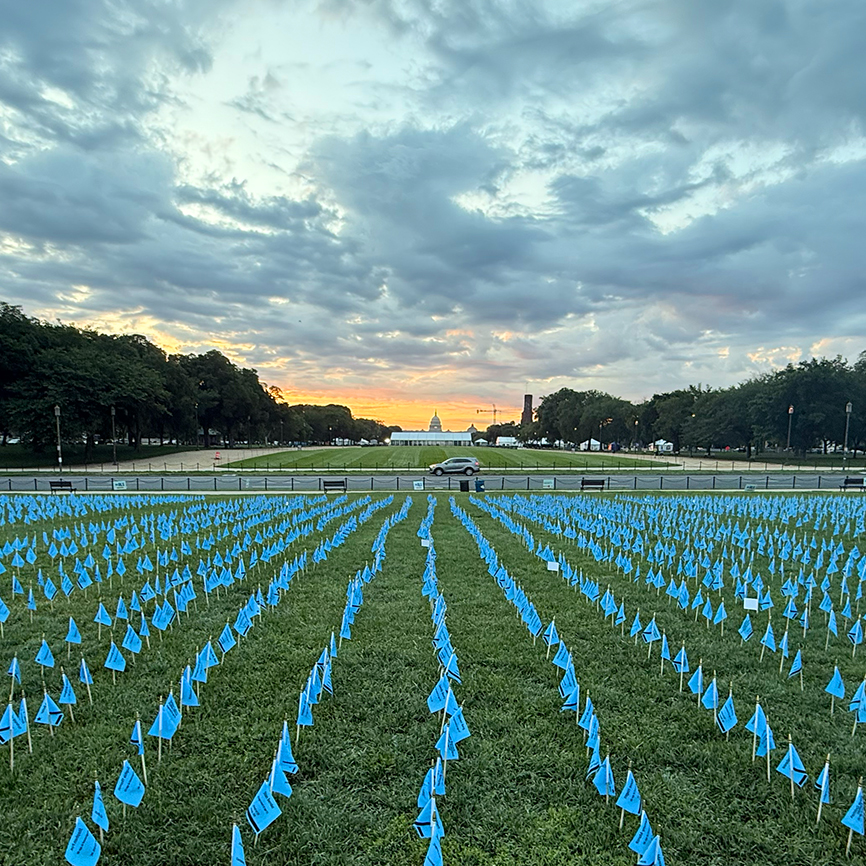
In May, Bedlack gave the keynote address to the I Am ALS 2025 Community Summit in Washington. His theme was cultivating hope.
“Hope is so much more than just an emotion,” Bedlack told attendees. “It’s more, even, than a coping strategy. I’ve come to believe that hope is a treatment. If you look across just about every disease where hope has been studied, those that have more of it do much better than those with less of it. They live much longer if they’re more hopeful.”
Editor’s note: A scholarship (fund No. 4637) was established for MBA students at William & Mary in memory of Jennifer Quartana Guethoff ’88, M.B.A. ’95, who died from ALS in 2020. She was Deloitte’s inaugural global deputy chief ethics officer and a Society of 1918 member. Ray Gowin ’67, a former W&M football player who died in September after battling ALS, requested donations to the Duke ALS Clinic in support of Bedlack.